
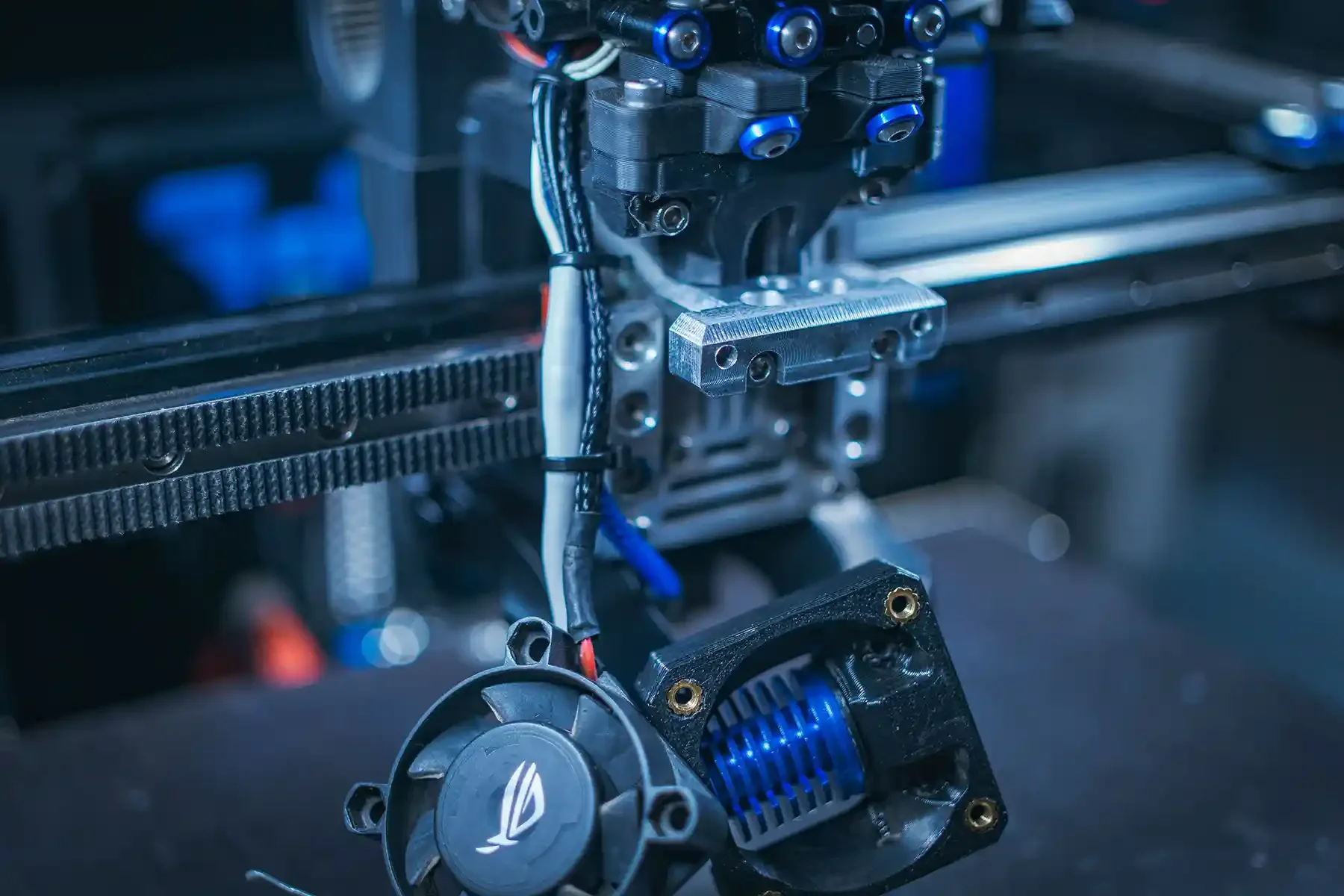

Industries
Challenges & Benefits to AM
In modern industrial production, legacy manufacturing methods encounter increasing constraints from fragile global supply chains, material waste, and design limitations. Additive Manufacturing has evolved from a rapid prototyping tool into a core production asset for mission-critical applications.
By layering advanced metals, high-performance polymers, and technical ceramics, additive manufacturing allows forward-thinking enterprises to overcome engineering barriers, condense multi-part assemblies, and build resilient, localized supply networks.
Med Tech
The global medical device additive manufacturing market reached $4.60 billion in 2025 and is expanding rapidly, driven by surgeon demand for patient-matched solutions (Precedence Research, 2026).
Med Tech Challenges and AM Benefits
CHALLENGE - Anatomical Variability: Off-the-shelf implants require surgeons to modify patient bone structures in the operating room. This increases surgical times and risk of revision surgeries.
BENEFIT - Patient-Matched Precision: AM turns patient CT and MRI scans into custom cranial, spinal, and orthopedic implants within days.
CHALLENGE - Complex Regulatory Timelines: New medical device introduction involves years of costly clinical testing and strict regulatory scrutiny (FDA, MDR).
BENEFIT - Accelerated Certification: Digital workflows adopted during pre-clinical phases allows medical device developers to rapidly refine designs and closely align prototype processes with final production to streamline regulatory approvals (Materialise, 2025).
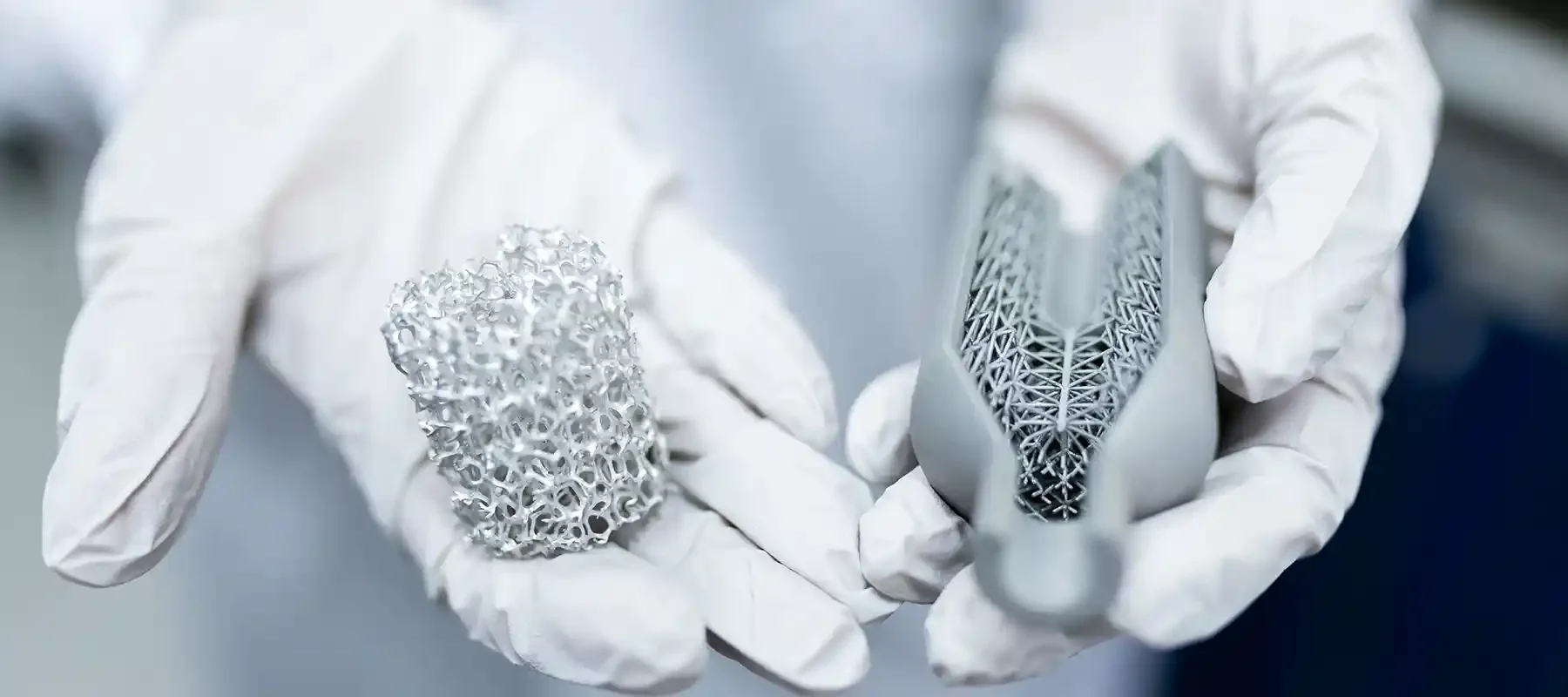
CHALLENGE - Material Biocompatibility: Traditional machining struggles to create porous, organic surface structures that encourage natural bone growth (osseointegration).
BENEFIT - Enhanced Osseointegration: Powder Bed Fusion (PBF) and Direct Metal Laser Sintering (DMLS) print bio-inspired lattice structures directly into titanium implants (Ti6Al4V ELI) that promotes faster bone cell ingrowth and lowers long-term implant failure rates.
Aerospace
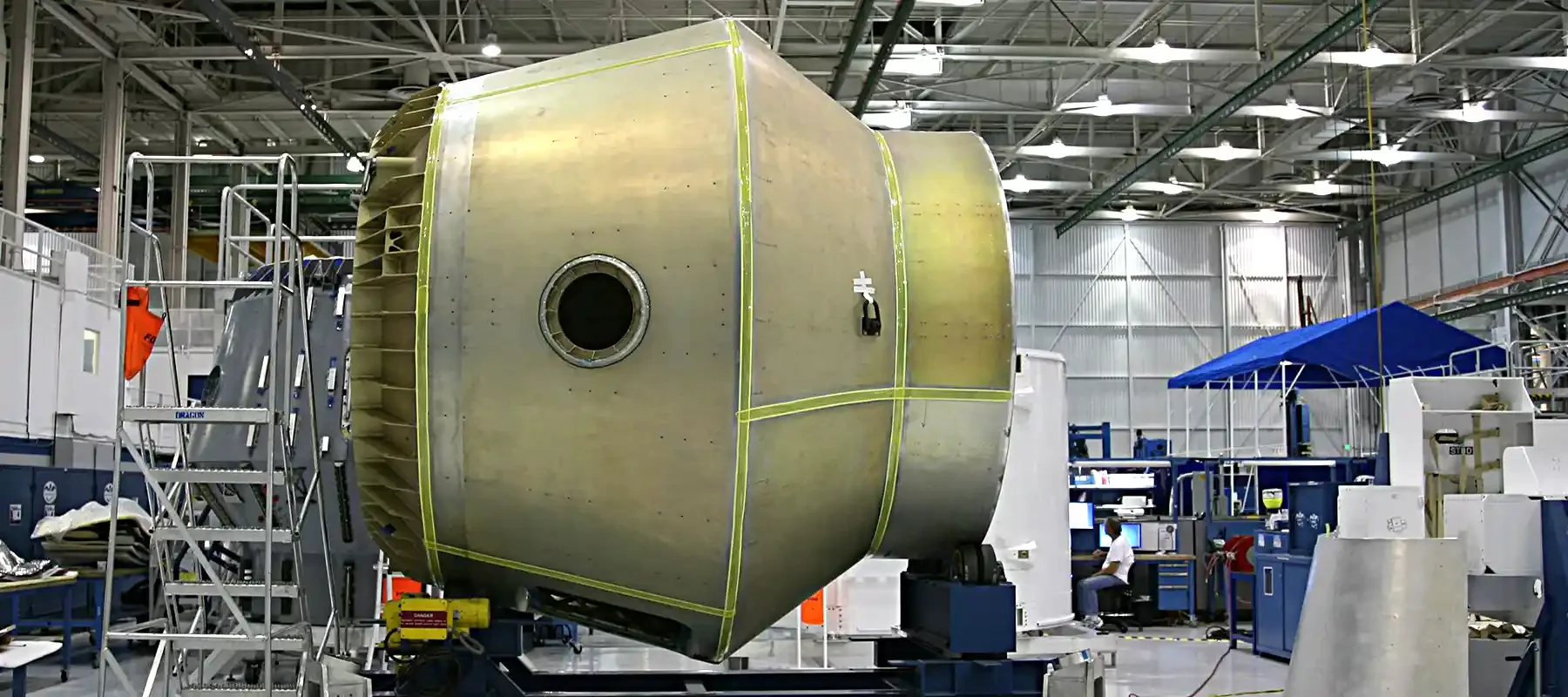
The aerospace and defense 3D printing market grew to $6.18 billion in 2025, driven by commercial airline demand for fuel-efficient fleets and space flight innovation (MarkNtel Advisors, 2026).
Aerospace Challenges and AM Benefits
CHALLENGE - Fuel Costs and Carbon Targets: European Union mandates like ReFuelEU Aviation require airlines to blend 2% Sustainable Aviation Fuel (SAF) in 2025, scaling to 6% by 2030, putting immense pressure on OEMs to reduce aircraft weight and fuel burn (MarkNtel Advisors, 2026).
BENEFIT - Topology Optimization & Light-Weighting: AM produces organic, hollowed-out geometries that cut structural part weight by up to 40% without compromising tensile strength
CHALLENGE - High Scrap Rates: Machining aerospace-grade titanium and Inconel from solid forged blocks yields scrap rates as high as 80-90% (Buy-to-Fly ratio).
BENEFIT - Part Consolidation & Substantial Repair Savings: Complex assemblies with dozens of welded components can be consolidated into single printed parts. For example, Pratt & Whitney deployed additive repair processes for geared turbofan engine parts, cutting repair times by over 60% and recovering more than $100 million in parts over five years (Pratt & Whitney / MarkNtel Advisors, 2025).
CHALLENGE - Supply Chain Bottlenecks: Traditional lead times to cast and forge specialized engine components can stretch past 12 to 18 months.
BENEFIT - Next-Gen Space Propulsion: Rocket developers use AM to print single-piece thrust chambers and cryogenic rocket engines in weeks rather than months, which eliminates failure-prone weld seams (Stratview Research, 2026).
Defense
Governments and military defense rely on additive manufacturing to modernize force readiness and secure critical supply infrastructure (Research and Markets, 2026).
Defense Challenges and AM Benefits
CHALLENGE - Supply Chain: Global geopolitical shifts have exposed fragile supply chains, which makes dependence on foreign foundries a national security risk.
BENEFIT - Point-of-Need & On-Demand Production: Portable additive systems allow military units to 3D print replacement parts, tooling, and vehicle components at forward operating bases or aboard naval vessels.
CHALLENGE - Legacy Systems: Military fleets rely on equipment designed decades ago. Sourcing replacement parts for out-of-production vehicles or ships is slow and expensive.
BENEFIT - Digital Inventories: Physical warehouses filled with spare parts are replaced by secure digital design files, which enables instant local production when a part is needed.
CHALLENGE - Operating Environments: Defense hardware must endure high-impact shock, extreme temperatures, and corrosive elements without fail.
BENEFIT - Extreme-Environment Materials: Advanced printing with nickel-based superalloys (Inconel 718), armor-grade steel, and high-performance thermoplastics (PEEK, PEKK) helps ensure mission-critical hardware withstands battlefield wear and tear.
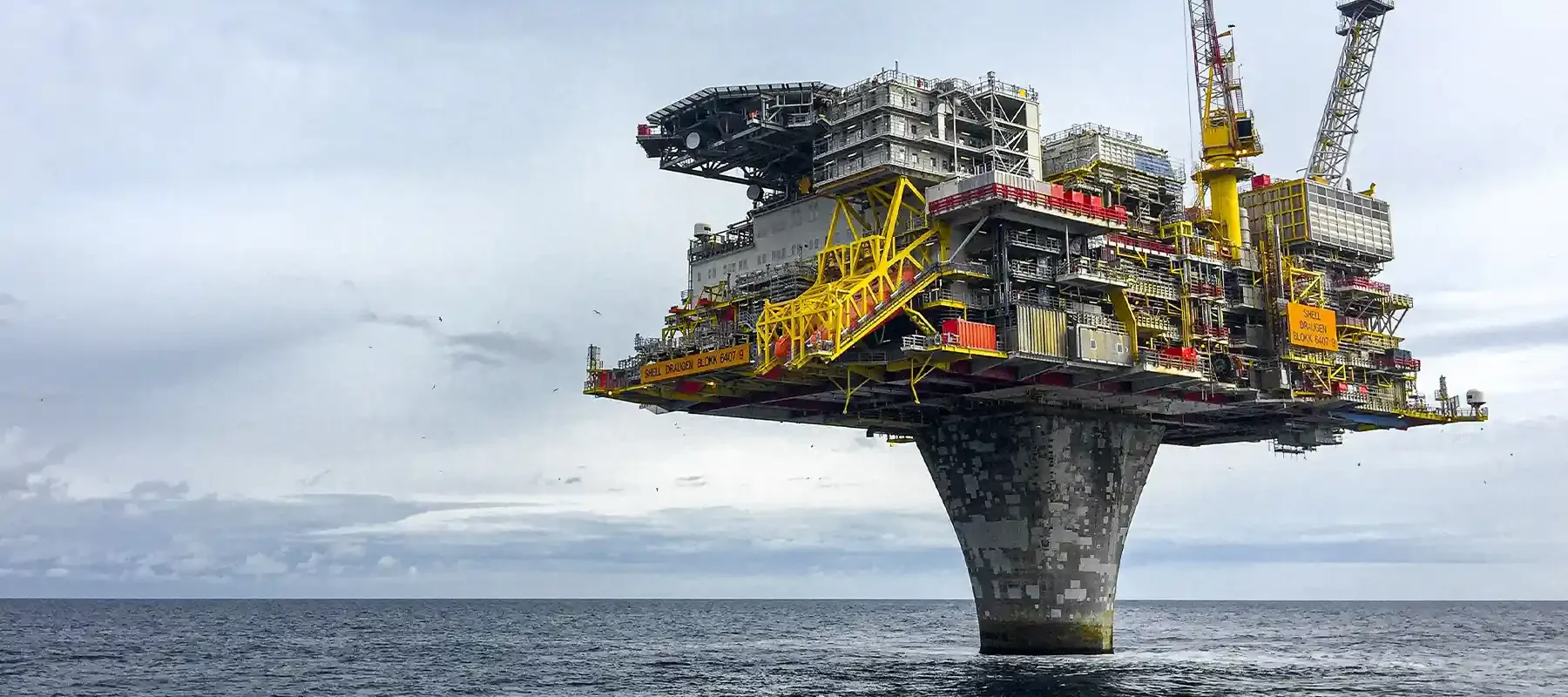
Oil & Gas
The energy sector uses additive manufacturing to minimize downtime, optimize fluid dynamics, and protect equipment that operates in High-Pressure, High-Temperature (HPHT) subsea environments.
Oil & Gas Challenges and AM Benefits
CHALLENGE - Downtime Costs: Offshore platform downtime caused by long-lead replacement valves or pumps can cost operators hundreds of thousands of dollars per day.
BENEFIT - Custom Flow Control & Anti-Cavitation: AM manufactures complex internal valve trims, manifold blocks, and impellers with conformal channels, that reduce turbulence, erosion, and fluid pressure drops.
CHALLENGE - Mechanical Wear: Fluid-handling equipment faces extreme cavitation wear, erosion, and chemical corrosion in deep-sea environments.
BENEFIT - Corrosion-Resistant Superalloys: AM works very well with hard-to-machine superalloys like Hastelloy, Monel, and Inconel 625, to produce dense, pressure-tested components built for deep-sea conditions.
CHALLENGE - Flow Geometries: Traditional subtractive machining cannot produce the complex internal channels needed for optimal fluid flow and thermal management.
BENEFIT - Localized Spare Part On-Demand: Energy companies can print replacement components near drill sites, to mitigate long lead times lower operational downtime.
Join the Conversation
As we work to accomplish our initiatives, we ask that you join the conversation. Provide insights and get the latest developments for AM adoption.