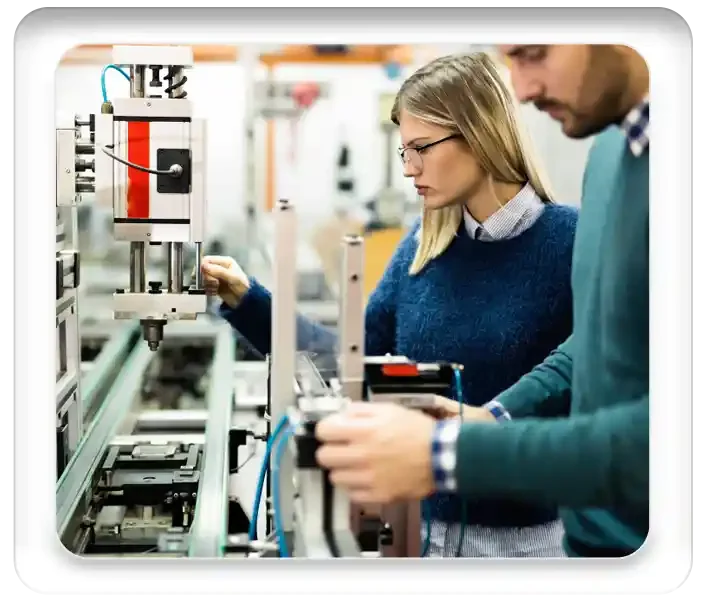

AM Initiatives
The Core Three Pillars of Leading Minds
When the AM industry aligns on three pillars, it achieves several key benefits. Together, these three pillars shift industrial additive manufacturing from an unpredictable, isolated capability to a repeatable, scalable, and economically viable core technology for global supply chains.

Global AM Awareness
Drive industrial awareness to accelerate 3D printing adoption from localized prototyping into serial production.
Bridges the gap: Moves organizations from "Why AM?" to "How to Scale”
Global reach: Engages key global forums across aerospace, defense & auto
De-risk adoption: Lowers implementation risk for risk-averse organizations

Domain Model
Establish an Open Common Language Framework and standardized data taxonomy across the entire additive manufacturing value chain.
Eliminates language fragmentation: Standardizes terminology across software and hardware ecosystems
System alignment: Aligns CAD, MES,materials, and equipment definitions
Cross-functional clarity: Ensures engineering and vendors speak the same language

Education & Workforce
Empowering leadership, engineering teams, and academic institutions with structured up-skilling frameworks and guidance.
Closes the Engineering Gap: Ensures that parts are built to leverage 3D printing’s unique benefits
Maximizes Equipment ROI: Reduces machine downtime, optimizes build parameters, and minimizes costly build failures
Ensures Workforce Retention: Creates clear career pathways for AM engineers and machine technicians
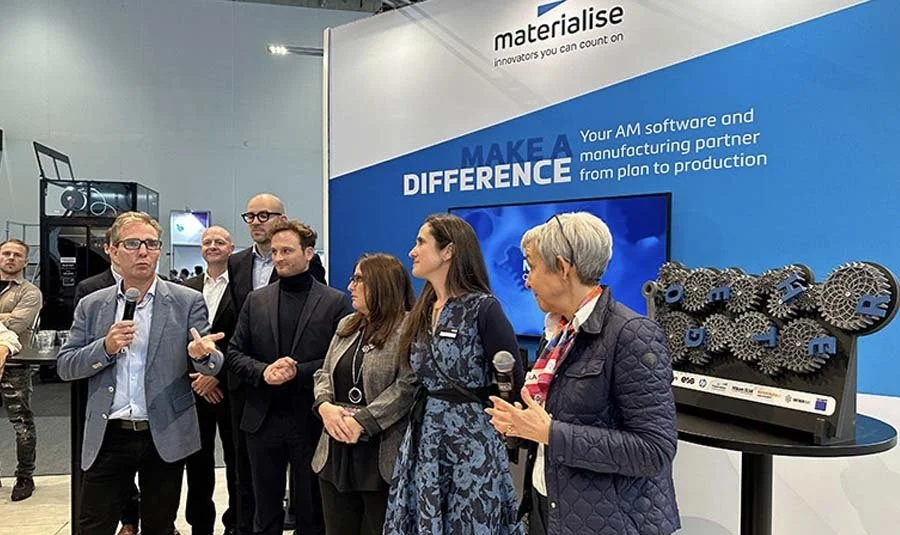
Driving Global Awareness & Scale
Manufacturers across major global sectors are transitioning from "Why should we use 3D printing?" to "How do we scale it reliably?". Leading Minds removes systemic adoption friction through global engagement, expert keynotes, and joint industrial initiatives.
Bring Leading Minds to Your Event
Planning an internal corporate event or industry conference, such as an aerospace, defense, energy or medical summit? Request consortium leaders to share actionable insights on adopting and scaling AM.
Understanding the AM Alliance
Leading Minds and AM I Navigator are separate, complementary initiatives collaborating externally under the Additive Manufacturing Alliance to deliver holistic guidance for global manufacturers.
Leading Minds
Awareness & Language
An alliance focused on establishing standardized language frameworks, driving global industrial awareness, and providing workforce education.
AM I Navigator
Maturity & Transformation
A consortium that provides a structured 5-stage maturity assessment tool to evaluate organizational AM readiness.
Join the Conversation
As we work to accomplish our initiatives, we ask that you join the conversation. Provide insights and get the latest developments for AM adoption.
AM I Navigator
The Manual for Industrial Additive Manufacturing Framework
The AM I Navigator is a comprehensive and widely recognized maturity model that outlines the key stages of industrialized Additive Manufacturing (AM). It offers companies a structured and proven framework to successfully implement their AM strategies by applying targeted measures aligned with each stage of maturity.


America Makes
Advancing the Technology. Growing the Workforce. Expanding the Industrial Base.
America Makes is the nation’s leading public-private partnership for additive manufacturing technology and education. Our members from industry, academia, government, and workforce and economic development organizations work together to accelerate the adoption of additive manufacturing and the nation’s global manufacturing competitiveness.